Selecting the appropriate industrial grade propylene glycol for a specific application is a crucial decision that can significantly impact the quality, performance, and safety of your end product. As an experienced industrial grade propylene glycol supplier, I understand the complexities involved in this selection process. In this blog post, I will share some key considerations and guidelines to help you make an informed choice.
Understanding Industrial Grade Propylene Glycol
Industrial grade propylene glycol, also known as 1,2 - propanediol, is a versatile chemical compound with a wide range of applications. It is a clear, colorless, and odorless liquid with low toxicity, making it suitable for use in various industries such as food and beverage, pharmaceuticals, cosmetics, and manufacturing.
The properties of industrial grade propylene glycol, including its solubility, hygroscopicity, and low freezing point, make it an ideal ingredient for many products. For example, its ability to dissolve in water and other organic solvents allows it to be used as a solvent, humectant, and preservative in different formulations.
Key Considerations for Selection
Purity Level
The purity of industrial grade propylene glycol is one of the most important factors to consider. Higher purity levels generally translate to better performance and fewer impurities that could potentially affect the quality of your final product. For applications in the food, pharmaceutical, or cosmetics industries, a high - purity grade (usually 99% or above) is often required to meet regulatory standards. On the other hand, for less sensitive industrial applications, a lower purity grade may be sufficient, which can also result in cost savings.
Application - Specific Requirements
Different applications have different requirements for industrial grade propylene glycol.
- Food and Beverage Industry: In this industry, propylene glycol is used as a solvent, humectant, and flavor carrier. It must meet strict food - grade standards set by regulatory authorities such as the Food and Drug Administration (FDA). For example, it should be free from harmful contaminants and meet the specified limits for heavy metals and other impurities.
- Pharmaceutical Industry: Pharmaceutical applications demand the highest level of purity and quality. Propylene glycol is used as a solvent, co - solvent, and vehicle for active pharmaceutical ingredients. It must comply with pharmacopoeial standards, such as the United States Pharmacopeia (USP) or the European Pharmacopoeia (Ph.Eur.).
- Cosmetics Industry: Cosmetics grade propylene glycol is used in skincare, haircare, and makeup products. It should be non - irritating, non - allergenic, and have good stability. Some cosmetic applications may also require additional properties such as mild antiseptic effects. You can find related information on Cosmetics Grade 1,2 - Hexanediol and Cosmetics Grade Phenoxyethanol for complementary ingredients in cosmetics formulations.
- Industrial Applications: In manufacturing processes, propylene glycol can be used as a heat transfer fluid, antifreeze, or in the production of resins and plastics. The requirements for these applications may focus more on its physical properties such as boiling point, freezing point, and viscosity, rather than its purity for food or pharmaceutical use.
Compatibility with Other Ingredients
When selecting industrial grade propylene glycol, it is essential to consider its compatibility with other ingredients in your formulation. Some chemicals may react with propylene glycol, leading to changes in the physical or chemical properties of the mixture. For example, in a formulation containing strong acids or bases, the stability of propylene glycol needs to be carefully evaluated. In addition, if propylene glycol is used as a co - solvent with other solvents, their compatibility in terms of solubility and miscibility should be verified.
Cost - Benefit Analysis
Cost is always an important factor in any procurement decision. While higher - quality grades of propylene glycol may come with a higher price tag, they may also offer better performance and fewer risks in terms of product quality and regulatory compliance. It is important to conduct a cost - benefit analysis based on your specific application requirements. For example, if you are manufacturing a high - end pharmaceutical product, the cost of using a high - purity grade propylene glycol may be justified by the lower risk of product failure and better patient safety. However, for a less critical industrial application, a more cost - effective grade may be a better choice.
Quality Assurance and Supplier Reliability
As a supplier of industrial grade propylene glycol, I understand the importance of providing high - quality products and reliable service. When selecting a supplier, you should consider the following aspects:
- Quality Control: A reputable supplier should have a strict quality control system in place. This includes regular testing of raw materials, in - process monitoring, and final product testing to ensure that the propylene glycol meets the specified quality standards. Look for suppliers who are certified to relevant quality management systems such as ISO 9001.
- Supply Capacity: Make sure the supplier has sufficient production capacity to meet your long - term needs. A reliable supplier should be able to provide a consistent supply of propylene glycol, even during periods of high demand.
- Technical Support: A good supplier should offer technical support to help you select the appropriate grade of propylene glycol for your application. They should be able to answer your questions regarding product properties, handling, and storage.
You can also explore related products from our range, such as Industrial Grade 1,3 - Butanediol, 99.9% Purity Ethylene Glycol, and Industrial Grade Ethanol, which may have complementary applications in your industry.
Handling and Storage Considerations
Once you have selected the appropriate industrial grade propylene glycol, proper handling and storage are crucial to maintaining its quality.

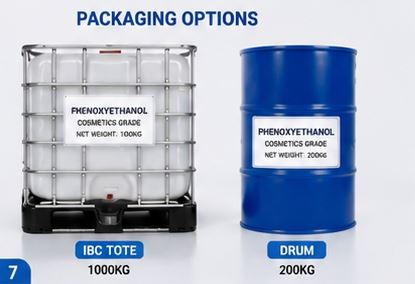
- Handling: Propylene glycol should be handled with care. It is recommended to use appropriate personal protective equipment, such as gloves and safety glasses, when handling it. In case of contact with skin or eyes, rinse immediately with plenty of water and seek medical advice if necessary.
- Storage: Store propylene glycol in a cool, dry, and well - ventilated area. It should be kept away from sources of heat, sparks, and open flames. The storage container should be tightly sealed to prevent contamination and evaporation.
Conclusion
Selecting the appropriate industrial grade propylene glycol for a specific application requires a comprehensive understanding of your application requirements, the properties of the product, and the reliability of the supplier. By considering factors such as purity level, application - specific requirements, compatibility, cost - benefit analysis, and supplier reliability, you can make an informed decision that will ensure the success of your product.
If you are in the process of selecting industrial grade propylene glycol for your application, I encourage you to contact us to discuss your specific needs. Our experienced team is ready to provide you with the best solutions and high - quality products.
References
- "Handbook of Industrial Chemical Additives" by Sean D. Burke
- "Pharmaceutical Sciences and Practice" edited by Andrew T. Florence and David Attwood
- "Cosmetics Science and Technology" by Paul B. Decker and Nikki A. Morelli