DPG, PG and Industrial Solvents: How Global Buyers Are Selecting Chemical Suppliers in 2026
September 16, 2026
The global chemical supply chain is becoming increasingly connected, while chemical manufacturers and distributors are also becoming more selective when choosing raw material suppliers.
For products such as Dipropylene Glycol (DPG), Propylene Glycol (PG), industrial alcohols, esters and chemical solvents, purchasing decisions are no longer based only on the lowest quotation. Product consistency, supply reliability, documentation, packaging, logistics capability and communication are becoming increasingly important factors in international chemical procurement.
As manufacturers continue to source chemical raw materials across international markets, understanding what buyers are looking for can help suppliers build more efficient and reliable long-term partnerships.
DPG and PG Remain Versatile Chemical Raw Materials
Dipropylene Glycol (DPG) and Propylene Glycol (PG) are widely used across multiple industries because of their solvent and formulation properties.
DPG is commonly used in fragrances, perfumes, cosmetics, personal care products, coatings, inks, resins and industrial formulations. Its relatively low volatility and solvency make it useful in applications where formulation performance and compatibility are important.
PG is used across a broader range of applications, including coatings and resins, personal care, pharmaceuticals, food-related applications, heat-transfer fluids and industrial formulations. Current market research continues to identify Asia-Pacific as an important regional market for PG, while demand is linked to applications including resins, pharmaceuticals and thermal-management fluids.
For international buyers, however, the key question is often not simply whether a supplier can provide DPG or PG, but whether the supplier can consistently provide the right grade, specification and documentation.
What Are Global Chemical Buyers Checking Before Purchasing?
1. Product Grade and Specification
The first consideration is whether the material meets the buyer's application requirements.
For DPG, for example, customers may have different requirements depending on whether the product is intended for:
Fragrance and perfume formulations
Cosmetics and personal care
Coatings and paints
Printing inks
Resins
Industrial solvents
Other chemical formulations
Similarly, PG buyers may require different specifications depending on the final application.
Important quality parameters can include assay, water content, color, acidity, specific gravity and other application-specific specifications.
Providing a clear TDS and COA allows buyers to compare products according to measurable specifications rather than relying only on price.
2. Consistent Quality Between Batches
For industrial manufacturers, consistency can be as important as the initial product specification.
A material that meets requirements during the first shipment but shows significant variation in later batches can create problems for production and formulation.
This is why many professional buyers evaluate:
Quality-control procedures
Batch testing
COA availability
Production traceability
Specification consistency
Sample-to-bulk consistency
A supplier's ability to maintain stable product quality can therefore become an important part of long-term procurement.
3. Reliable Supply and Production Capacity
Supply reliability has become another major consideration for international buyers.
When a chemical is an important raw material in a production process, unexpected supply interruptions can affect manufacturing schedules, customer deliveries and inventory planning.
Buyers may therefore ask suppliers about:
Available inventory → Production capacity → Lead time → Loading schedule → Export experience
For frequently purchased products such as DPG and PG, establishing a predictable supply arrangement can be particularly useful for distributors and manufacturers with recurring demand.
4. Packaging Options Matter
Chemical products are transported internationally in different quantities and formats.
Depending on the product, order volume and destination, buyers may consider:
200–230 kg steel drums
IBC tanks
Flexitanks
ISO tanks
Other bulk transportation solutions
For smaller or trial orders, drums or IBCs may be more practical. For larger-volume industrial procurement, bulk packaging can offer different logistics and handling advantages.
A supplier that can coordinate different packaging requirements can provide greater flexibility to international customers.
5. Export Documentation and Compliance
International chemical purchasing involves more than the physical product.
Depending on the destination country and application, buyers may require documents such as:
Technical Data Sheet (TDS)
Safety Data Sheet (SDS)
Certificate of Analysis (COA)
Commercial Invoice
Packing List
Certificate of Origin
Batch information
Shipping documentation
Accurate documentation can make supplier qualification, customs clearance and internal quality-control procedures more efficient.
For this reason, professional chemical buyers often evaluate a supplier's documentation capability before placing regular orders.
6. Logistics Capability
A competitive chemical quotation should also be considered together with transportation costs and delivery conditions.
International buyers may compare EXW, FCA, FOB, CFR and CIF offers depending on their purchasing structure and destination.
For example, a lower FOB price does not necessarily result in the lowest total landed cost if freight, insurance, inland transportation or destination-related expenses are significantly different.
For overseas chemical procurement, buyers increasingly look at the complete supply chain rather than focusing on the product price alone.
7. Communication and Technical Support
Communication can have a direct impact on the efficiency of international purchasing.
Before quoting DPG, PG or a solvent, a supplier may need to understand:
Required product grade
Final application
Annual or monthly consumption
Trial quantity
Packaging preference
Destination port
Delivery terms
Required documentation
This information allows suppliers to prepare more relevant quotations instead of sending a standard price without understanding the buyer's actual requirements.
For long-term business, clear communication before production and shipment can also help reduce misunderstandings related to specifications, packaging and logistics.
Industrial Solvents: Buyers Are Looking Beyond Price
The same purchasing principles apply to industrial solvents and ester products.
Products such as butyl acetate, tetrahydrofuran (THF), cyclohexanone, propylene carbonate and other chemical solvents are used in coatings, paints, inks, adhesives, chemical synthesis and industrial manufacturing.
Solvent buyers may pay particular attention to:
Purity → Water content → Color → Packaging → Supply stability → Transportation → Documentation
For manufacturers using solvents continuously, a stable supply of consistent-quality material can be important for maintaining production efficiency.
What Makes a Reliable Chemical Supplier?
For international buyers, supplier evaluation is increasingly becoming a comprehensive process.
A chemical supplier may need to demonstrate several capabilities at the same time:
Product Capability
A broad portfolio of glycols, alcohols, esters and solvents can help buyers consolidate sourcing.
Quality Capability
Stable specifications, batch testing and appropriate quality documentation support consistent procurement.
Packaging Capability
Drums, IBCs and bulk transportation options can accommodate different purchasing volumes.
Export Capability
Experience with international shipping and export documentation can simplify cross-border transactions.
Communication Capability
Fast and accurate responses to technical and commercial questions can improve purchasing efficiency.
A More Complete Approach to Chemical Procurement
The international chemical market continues to develop, and buyers are increasingly looking at suppliers from a broader perspective.
For DPG, PG, alcohols, esters and chemical solvents, the purchasing decision can involve much more than a single price comparison.
Product specifications, quality consistency, packaging, documentation, logistics and communication all contribute to the overall procurement experience.
For chemical manufacturers, distributors and importers, establishing a reliable supply relationship can help support long-term production and market development.
Our Product Portfolio
We specialize in the international supply of Dipropylene Glycol, Propylene Glycol, alcohols, esters and chemical solvents.
Our product portfolio includes:
Dipropylene Glycol (DPG)
Propylene Glycol (PG)
Mono Ethylene Glycol (MEG)
Diethylene Glycol (DEG)
Triethylene Glycol (TEG)
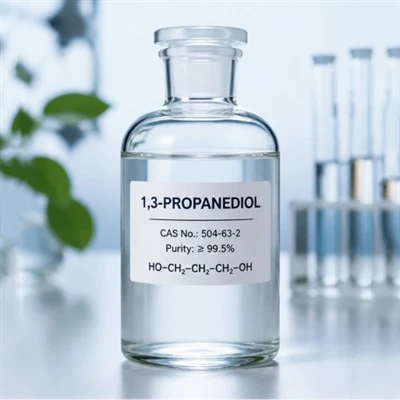
1,3-Propanediol (PDO)
1,3-Butanediol (BDO)
Benzyl Alcohol
Isopropyl Alcohol (IPA)
n-Butanol and other industrial alcohols
Butyl Acetate and other ester products
THF, Cyclohexanone, Propylene Carbonate and other chemical solvents
We work with international customers across industries including fragrances, personal care, coatings, paints, inks, resins, adhesives and industrial manufacturing.
If you are sourcing DPG, PG, industrial alcohols, ester products or chemical solvents, contact us with your required specification, quantity, packaging and destination. Our team can provide product information, technical documentation and a quotation based on your requirements.
Looking for a reliable chemical supplier for your next shipment? Contact us to discuss your requirements.